
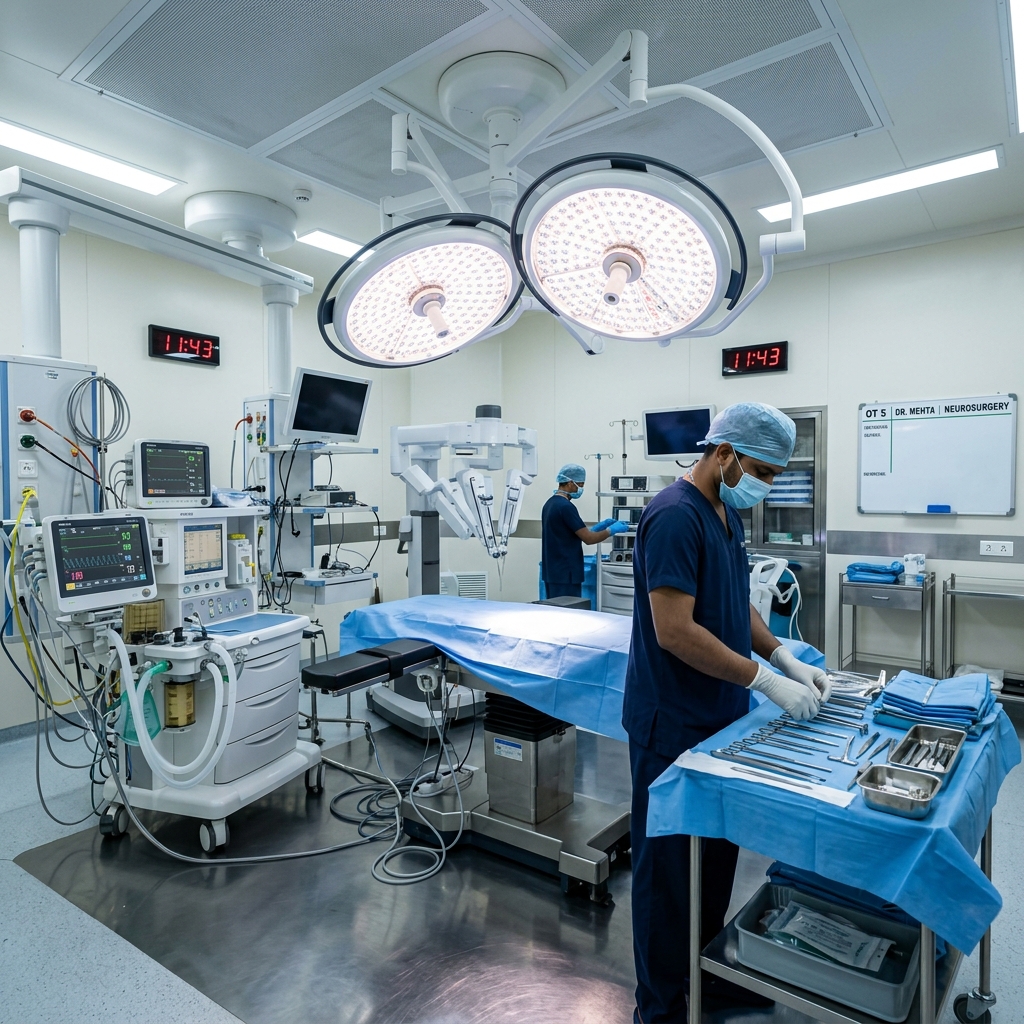
Operation Theatre Technology: A High-Demand Career at the Heart of Modern Surgery
Every successful surgery is the result of a well-coordinated team of healthcare professionals. While surgeons and anesthesiologists often receive the spotlight, there is another highly skilled professional working behind the scenes to ensure every operation is safe, efficient, and successful—the Operation Theatre Technologist (OTT).
Operation Theatre Technology is one of the fastest-growing allied healthcare professions, offering exciting career opportunities in hospitals, trauma centers, specialty surgical units, and healthcare institutions. With the increasing number of surgeries performed every year, the demand for trained Operation Theatre Technologists continues to rise.
What is Operation Theatre Technology?
Operation Theatre Technology (OTT) is a specialized branch of allied healthcare that focuses on preparing and managing the operation theatre before, during, and after surgical procedures.
An Operation Theatre Technologist is responsible for ensuring that the operation theatre is fully equipped, sterile, and ready for surgery. They work closely with surgeons, anesthesiologists, nurses, and other healthcare professionals to support a wide range of surgical procedures.
OTT professionals are essential members of the surgical team, helping maintain patient safety and ensuring that surgeries proceed smoothly.
Why is Operation Theatre Technology Important?
Modern surgeries rely on precision, teamwork, and strict infection control. Operation Theatre Technologists play a vital role by:
- Preparing the operation theatre before surgery
- Maintaining sterile conditions throughout procedures
- Arranging surgical instruments and equipment
- Assisting surgeons during operations
- Supporting anesthesia teams
- Monitoring surgical equipment
- Handling surgical supplies and implants
- Ensuring patient safety protocols are followed
Their expertise helps reduce surgical complications and improves patient outcomes.
Major Areas of Work
Operation Theatre Technologists are involved in various specialties, including:
- General Surgery: Preparation and assistance during routine surgical procedures.
- Orthopedic Surgery: Managing specialized instruments used for bone and joint surgeries.
- Neurosurgery: Supporting complex brain and spinal surgeries.
- Cardiothoracic Surgery: Preparing advanced equipment used in heart and chest surgeries.
- Obstetrics & Gynecology: Assisting in cesarean sections and gynecological procedures.
- Urology: Supporting minimally invasive and endoscopic surgeries.
- Plastic & Reconstructive Surgery: Managing specialized surgical instruments and implants.
- Laparoscopic & Robotic Surgery: Operating and maintaining modern minimally invasive surgical equipment.
Skills Required
Successful Operation Theatre Technologists possess:
- Attention to detail
- Excellent hand-eye coordination
- Ability to work under pressure
- Teamwork and communication skills
- Knowledge of infection control
- Understanding of surgical procedures
- Technical proficiency with medical equipment
- Quick decision-making ability
- Professional ethics and discipline
Responsibilities of an Operation Theatre Technologist
Their day-to-day responsibilities include:
- Preparing operation theatres before surgery
- Sterilizing surgical instruments
- Checking operation theatre equipment
- Maintaining aseptic techniques
- Assisting surgeons during procedures
- Managing surgical instruments
- Recording surgical supplies
- Handling emergency situations
- Cleaning and preparing the theatre after surgery
- Maintaining inventory of surgical equipment
Career Opportunities
Qualified Operation Theatre Technologists can work in:
- Multi-specialty hospitals
- Government hospitals
- Private hospitals
- Medical colleges
- Trauma centers
- Cardiac hospitals
- Orthopedic hospitals
- Cancer hospitals
- Day-care surgery centers
- Fertility and IVF centers
- Emergency care units
- Organ transplant centers
There are also opportunities in medical equipment companies, healthcare training institutions, and surgical device industries.
Job Profiles
After completing a qualification in Operation Theatre Technology, graduates can work as:
- Operation Theatre Technologist
- Surgical Assistant
- OT Technician
- OT Supervisor
- Central Sterile Services Department (CSSD) Technician
- Surgical Equipment Specialist
- Infection Control Assistant
- Theatre Coordinator
- Clinical Application Specialist
- Hospital Quality Executive
Salary Prospects
Salary varies depending on qualifications, hospital type, location, and experience. Typical salary ranges in India are:
| Experience | Average Monthly Salary |
|---|---|
| Fresher | ₹20,000–₹35,000 |
| 2–5 Years | ₹35,000–₹55,000 |
| 5–10 Years | ₹55,000–₹90,000 |
| Senior Professionals | ₹90,000–₹1,50,000+ |
Professionals with expertise in robotic surgery, cardiac surgery, neurosurgery, or transplant surgery often earn higher salaries.
Future Scope
The healthcare sector is witnessing rapid growth due to:
- Expansion of multi-specialty hospitals
- Rising number of surgical procedures
- Growth of minimally invasive and robotic surgeries
- Increasing demand for emergency and trauma care
- Advances in surgical technology
- Medical tourism in India
These developments have significantly increased the demand for skilled Operation Theatre Technologists in both India and abroad.
Why Choose a B.Voc. in Operation Theatre Technology?
A Bachelor of Vocation (B.Voc.) in Operation Theatre Technology is designed to provide students with both academic knowledge and practical expertise. Key advantages include:
- Industry-oriented curriculum
- Extensive hospital-based practical training
- Hands-on learning in real operation theatre settings
- Training on modern surgical and anesthesia equipment
- Strong focus on patient safety and infection control
- Enhanced employability through skill-based education
- Affordable professional education with career-focused outcomes
Students graduate with the confidence and competencies required to work effectively in surgical environments from day one.
Who Can Apply?
Students who have completed Class 12 (Science, Commerce, or Arts, subject to institutional eligibility criteria) and have an interest in healthcare, surgery, and medical technology can consider Operation Theatre Technology as a rewarding career option.
This program is ideal for those who want to be an integral part of life-saving surgical procedures without becoming a surgeon.
Conclusion
Operation Theatre Technology is a dynamic and respected allied healthcare profession that combines technical expertise, precision, and teamwork. Operation Theatre Technologists are indispensable to the success of every surgical procedure, ensuring that patients receive safe and efficient care. With increasing investments in healthcare infrastructure, advances in surgical technology, and a growing need for skilled professionals, Operation Theatre Technology offers excellent career prospects, job security, and opportunities for professional growth. For students seeking a meaningful, hands-on career in healthcare, this field provides a pathway to becoming an essential member of the modern surgical team.
Get Certified in Allied Health & Paramedical Programs
Join Hayat Institute of Skills & Allied Health and build a rewarding career in healthcare through hands-on training and government-recognized courses.
Enroll Now